Sarah Robinson | Tips and Techniques
How to Remove Stains From Painted Walls – Every Stain Type, Solved

Freshly painted walls are one of life's small joys – and keeping them that way doesn't have to be hard. Most everyday marks and stains can be handled at home with the right technique and a gentle touch. The key is knowing which cleaning method matches the type of stain and the type of paint on your walls. Attack a grease stain the same way you'd tackle a pencil mark, and you'll either spread the stain or damage the finish. This guide breaks down the most common wall stains and the fastest, safest way to remove each one.
How to Wash Painted Walls Without Damaging the Finish
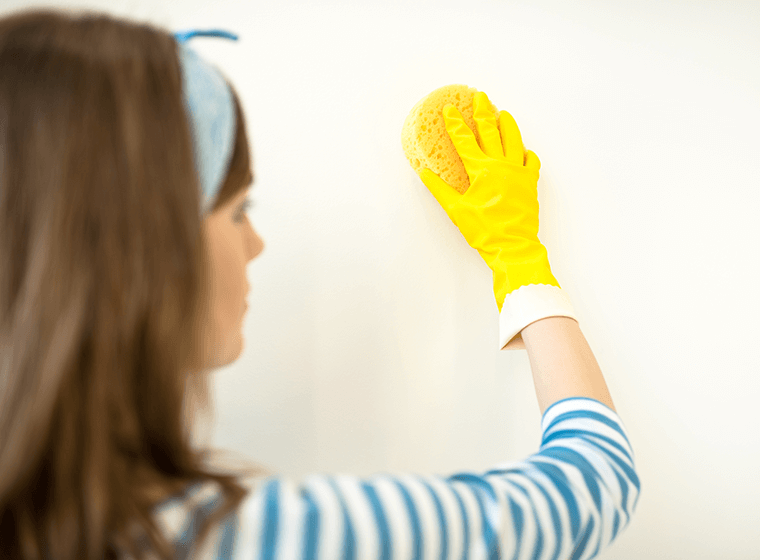
A simple solution of vinegar and water is great for washing your walls as part of regular maintenance. When you wipe down your walls, make sure you wring out your sponge or cloth very well before you wipe-you don't want any excess water to drip down. You should also avoid using scrubbers, as these can leave scratches or marks on your walls. Stick to soft sponges or cloths when you wipe down your walls.
How to Remove General Stains and Marks From Painted Walls
If a stain or mark on the wall doesn't come off with your vinegar and water solution or with soap and water, a cleaning eraser may be the answer. These special sponges are perfect for spot cleaning and can work wonders on stains of any type. Be sure to test it out on a small spot on your wall before you scrub a larger area. Be careful not to scrub too hard, or you could end up making the stain worse.
If you need something a little stronger to clean your walls, consider the type of paint before you apply anything. If you have latex paint on your walls, you should avoid any harsh chemicals, as some chemical cleaners can damage paint finishes. Oil-based paint should be fine with some chemical cleaners, as it's a sturdier paint.
However, some specific kinds of stains are trickier to deal with than others. These might require special techniques to remove.
How to remove oil/grease stains from walls
It sounds simple, but when dealing with oil or grease stains, the first step should be dish soap and water. Dish soap is designed to cut through grease but is still gentle enough on paint to keep walls safe. For extra tough stains, a special wall cleaner can be used. But before you spray anything on the walls, make sure it's compatible with the type of paint on your walls. If you're unsure, do a small test spot before you clean the whole wall.
How to remove coffee stains from painted walls
Most coffee stains should come out with just a gentle cleanser, such as dish soap or an all-purpose cleaner. The trick for coffee stains is to apply the cleaner with a soft-bristle brush. Be sure to work gently-if you use too much pressure you could leave marks behind on your wall. Next, wipe off the surface with a damp cloth and allow to dry.
How to remove stickers from painted walls
Kids love stickers and really love sticking them on every surface possible. Once they've been stuck to a wall, they can be touch to remove without causing damage to the paint. It may take a few steps, but it can be done! First, gently try to peel it off; start at one corner and work your way around when you hit a spot that doesn't easily lift off. If there are still parts of the sticker left on the wall, use a hair dryer on the low or medium setting to heat the glue. This should make it easier to get the rest of the sticker off. Vinegar can also help to remove adhesive residue-fold a paper towel and wet it with white vinegar, then hold over the sticker spot for a minute or so. It should loosen the adhesive and allow it to wipe off.
How to remove pencil marks from a painted wall
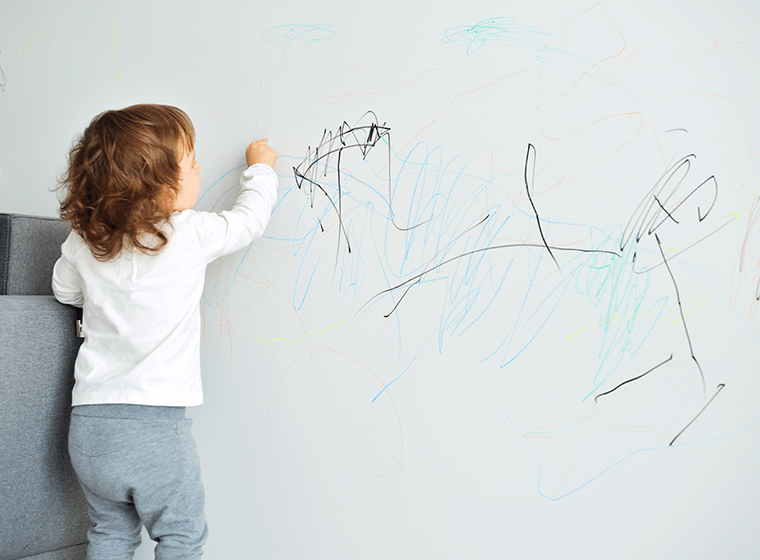
If you notice pencil marks on your wall, the first step is easy-simply try to erase it with a pencil eraser or art gum eraser. If this doesn't work, rub the spot gently with a cleaning eraser sponge. For extra stubborn marks, dip the corner of a damp cloth in baking soda, then gently rub it along the mark. Repeat as needed and then wipe the baking soda off with a clean damp cloth.
If your walls have taken a beating and you're wondering whether a touch-up or a full repaint makes more sense, we're happy to take a look – for free. Book a quick consultation and we'll give you an honest recommendation.
When Stains Won't Come Off: Do You Need Primer, a Touch-Up, or a Full Repaint?
Sometimes a stain just won't budge – and that's okay. Knowing what comes next will save you a lot of frustration.
First, try a stain-blocking primer. Products like KILZ Original or Zinsser BIN Shellac-Based Primer are specifically designed to seal stubborn stains – from water damage and nicotine to tannin bleed and permanent marker – before new paint goes over top. If the stain is visible but the surrounding paint is in good shape, prime just the stained area, let it dry fully, then touch up with matching paint.
If you're doing a touch-up, keep in mind that paint fades over time, meaning freshly applied paint almost never matches the original wall color perfectly – even from the same can. The bigger and more visible the touched-up patch, the more likely it is to be noticeable. Feather the new paint into the edges of the old paint using a dry-brush technique to minimize the line.
For large stains, multiple stains in the same room, or walls where the paint is already aging, a full repaint is often more cost-effective than chasing individual spots. Our professional interior painting services can cover most rooms in a single day – give us a call and we'll help you figure out whether a touch-up or a full refresh is the smarter investment.
If a stain suggests underlying moisture or wall damage, it may be worth considering our professional drywall repair services before repainting – addressing the root cause first ensures a lasting result.
When stains are beyond DIY territory, we've got you covered. WOW 1 DAY's professional painters can repaint any room beautifully in a single day – fresh start, zero stress.
Frequently Asked Questions
Start with the gentlest approach: a soft cloth dampened with warm water. If that doesn't work, try a small amount of dish soap mixed with water, applied gently with a soft sponge. For stubborn marks, a melamine foam eraser (like Mr. Clean Magic Eraser) works well – but test it on a hidden area first, as it can dull glossy or eggshell finishes with aggressive scrubbing.
Apply a small amount of dish soap directly to the stain and gently work it in with a soft sponge. Dish soap is formulated to cut through grease without damaging most paint finishes. Rinse with a clean damp cloth and allow to dry. For very old or set-in grease stains, a degreaser spray compatible with your paint type may be needed – always test in an inconspicuous area first.
You can, but painting directly over a stain without a stain-blocking primer often results in the stain bleeding through the new paint within days or weeks. Use KILZ Original or Zinsser BIN Shellac primer on the stained area first, let it dry fully, then apply your topcoat for a clean, permanent result.
Start with a regular pencil eraser or an art gum eraser – for fresh marks this is often enough. If the mark persists, gently rub with a melamine foam eraser. For stubborn marks, dab a damp cloth in baking soda and rub gently, then wipe clean with a fresh damp cloth.